Seaside highlight
Strong residential
A family-oriented residential city with established neighborhoods and a median household income reflecting a stable working and professional population.
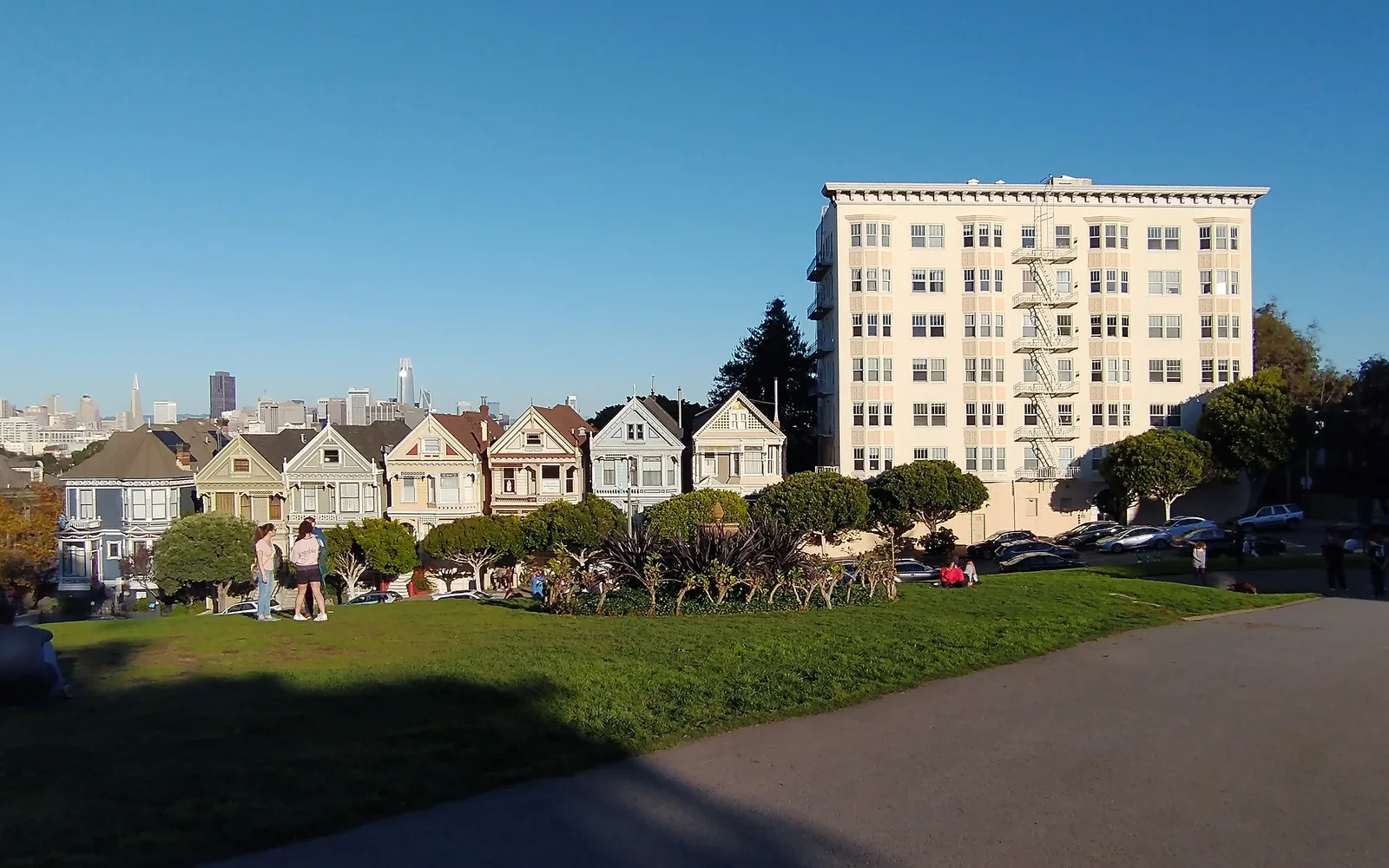
Seaside's residential character developed deliberately around the needs of working families. The city's planning, established after its 1954 incorporation, prioritized residential zones with schools and local parks, creating neighborhoods where homeownership was accessible and practical. Streets are arranged to connect residential areas to shopping, services, and beach access, reflecting a midcentury vision of suburban living adapted to California's coast.
The households of Seaside reflect the region's economy: teachers, healthcare workers, service industry professionals, small business owners, and trades workers who chose to raise families in a city with lower housing costs than Monterey itself, while remaining within the Monterey Peninsula community. Median household income in the city supports working families, and the residential stability means many households stay for decades, building roots and planning for the future.
Long-term residential stability—the knowledge that you and your family will be in the same home and community for years to come—is exactly when life insurance matters most. Term coverage for 20 or 30 years protects a mortgage and the years until children become independent. Families comparing insurance options alongside other household financial decisions use quotes to ensure the protection matches both the term and the income it covers.